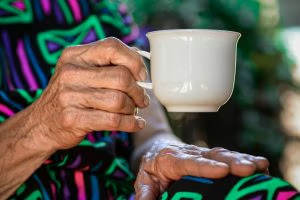

As we get older, eating and drinking well can become more important than ever. Good nutrition and hydration play a vital role in supporting overall health, energy levels, comfort, and wellbeing. Yet for many older people, maintaining a balanced diet and drinking enough fluids can become more difficult for a range of reasons.
At Richmondwood, we understand that food and drink are about much more than routine. They are an essential part of daily life, helping residents feel well, stay strong, and enjoy comfort and familiarity.
Why nutrition matters in later life
A healthy, balanced diet helps the body get the nutrients it needs to function properly. For older people, good nutrition can support energy, muscle strength, immunity, healing, and general wellbeing. It can also help people maintain a healthy weight and reduce the risk of complications linked to poor diet.
As people age, appetite can sometimes decrease, and health conditions or medication can affect eating habits. This can make it harder to get the right balance of nutrients, even when meals are available. That is why it is important for older adults to have regular, nourishing meals that are both appealing and suited to their individual needs.
Why hydration is just as important
Staying hydrated is essential at every age, but older people can be more vulnerable to dehydration. Sometimes this is because they may not feel thirsty as often, may forget to drink enough, or may avoid fluids if they are worried about needing the toilet more frequently.
Even mild dehydration can affect how someone feels. It can lead to tiredness, headaches, dizziness, confusion, constipation, and an increased risk of urinary infections. In some cases, it can also affect balance and increase the risk of falls.
Encouraging regular drinks throughout the day can make a real difference to comfort, wellbeing, and overall health.
Common reasons eating and drinking can become harder
There are many reasons why older people may find it more difficult to eat and drink well. These can include reduced appetite, difficulty chewing or swallowing, dementia, illness, medication side effects, limited mobility, depression, or simply feeling less interested in food when eating alone.
This is why good care involves looking at the whole person, not just the plate in front of them. Understanding preferences, routines, and any physical or emotional challenges can help ensure mealtimes are supportive and enjoyable rather than stressful.
The value of enjoyable mealtimes
Food should not just be nutritious — it should also be something to look forward to. Familiar meals, favourite flavours, and pleasant mealtime settings can all encourage better eating and drinking.
For many older people, mealtimes are also an important social part of the day. Sharing food with others, having conversation around the table, and enjoying a calm and welcoming environment can all improve appetite and overall mood.
At Richmondwood, we believe mealtimes should feel relaxed, enjoyable, and tailored to residents’ needs wherever possible.
Supporting different dietary needs
Older people may have a range of dietary requirements, whether due to medical conditions, allergies, swallowing difficulties, diabetes, or personal preferences. Some may need softer foods, fortified meals, or support with eating and drinking.
Good care means recognising these needs and responding to them properly. It is not simply about serving meals — it is about making sure each resident has access to food and drink that is safe, suitable, and nourishing.
Small changes can make a big difference
Sometimes small, thoughtful steps can have a big impact. Offering regular drinks, providing snacks between meals, serving smaller portions more often, and making food look appealing can all help encourage better nutrition and hydration.
It is also important to notice when habits change. A reduced appetite, leaving drinks untouched, or sudden weight loss can all be signs that someone may need extra support.
Supporting health, comfort, and quality of life
Good nutrition and hydration are not just about physical health. They also support dignity, comfort, mood, and quality of life. When someone is eating and drinking well, they are often more comfortable, more energetic, and better able to enjoy everyday life.
At Richmondwood, we know that caring for residents means paying attention to every part of wellbeing, including the simple but essential role of food and drink. By supporting healthy eating and regular hydration, we help residents stay as comfortable, well, and supported as possible.
A daily part of good care
The importance of good nutrition and hydration for the elderly should never be underestimated. It is a key part of compassionate, person-centred care and something that can make a real difference each and every day.
At Richmondwood, we are committed to providing an environment where residents are supported not only with their care needs, but with the everyday essentials that help them feel their best.